Vaccinations for Pets Prairieville Animal Hospital: Rabies and Beyond
Vaccinations are a cornerstone of preventive care for pets. At Prairieville Animal Hospital, we approach vaccines as a practical tool to protect your animals, your family, and the community. This article shares how vaccinations work, why certain vaccines are essential, and how we tailor a plan to each pet’s life stage, risk factors, and lifestyle. It’s grounded in real-world clinic experience, reflecting how we talk with clients, how we monitor animals after shots, and how we handle the inevitable questions that arise in a busy practice.
A practical framework for vaccines
Vaccines do two things. They prime a pet’s immune system to recognize specific disease threats and they reduce the likelihood of outbreaks in households and neighborhoods. For most pets, the goal isn’t to guarantee they will never encounter a pathogen but to reduce the severity of disease and the chance of transmission if exposure occurs.
In our practice, vaccines are not a one-size-fits-all product. We factor in age, health status, prior vaccine history, geographic risk, exposure to other animals, and the pet’s environment. For some pets, annual visits are the right cadence; for others, longer intervals may be appropriate. The key is a thoughtful, individualized plan that evolves with your pet.
Rabies vaccination sits at the center of public health. It is required by law in many areas and carries significant protection for both animals and people. Beyond Rabies, vaccines are arranged to guard against diseases that commonly affect pets in our region, including those transmitted by vectors, airborne particles, or contaminated environments. We’ll walk through the core vaccines, the rationale behind them, and how scheduling can look in practice.
Rabies: what it protects and why it matters
Rabies is a fatal viral disease that can affect all mammals, including humans. It is almost always preventable through vaccination, which is why our rabies program is deliberate and consistent. boarding kennels prairieville la In practice, most dogs and cats receive the initial rabies vaccine at a juvenile age, followed by booster shots on a schedule that complies with local regulations and our medical judgment.
What we observe clinically is straightforward: vaccinating against rabies reduces the chances of severe neurological disease and prevents the risk of exposure in households with multiple pets, as well as in environments where wildlife interactions occur. We also consider rabies a gateway vaccine in a sense—its successful administration often sets the stage for broader compliance with a full preventive care plan. Clients report fewer clinic visits for illness and more predictable health trajectories when rabies is reliably maintained.
We understand that some owners worry about reactions to vaccines. In our experience, adverse events at Prairieville Animal Hospital are rare and typically mild, such as a transient lick or a brief soreness at the injection site. We monitor post-vaccine for any unusual behavior, swelling, or lethargy and provide guidance on when a call or visit is warranted. Our team aims to balance the minimal risk of a reaction with the outsized benefit of rabies protection for your family and community.
Core vaccines: a concise guide drawn from clinical practice
Core vaccines are those most strongly recommended for all healthy pets because the diseases they prevent carry significant morbidity or mortality risk, and the vaccines have proven broad-spectrum protection. In practice, core vaccination schedules are tailored to the pet’s age, risks, and prior immunity.
- Distemper (for dogs)
- Adenovirus (hepatitis, included in the canine combination vaccines)
- Parvovirus
- Rabies
- Feline panleukopenia, calicivirus, and rhinotracheitis complex (the FVRCP combination for cats)
These vaccines form the backbone of a preventive program for most dogs and cats. In our clinic, vaccines are administered with attention to the pet’s comfort and the owner’s schedule. We often space the initial puppy or kitten series into appointments that minimize stress for the animal while ensuring complete immunization. After the initial series, boosters come at intervals that reflect the pet’s ongoing risk profile.
The practical takeaway is simple: core vaccines are about reducing risk in the broadest sense. They are not optional luxuries; they are foundational care that supports longer, healthier lives. In Prairieville, we see the real world impact of consistent core vaccination—fewer emergencies, fewer visits for contagious diseases, and better overall owner peace of mind.
Beyond the basics: vaccines that address local realities and lifestyle
While core vaccines protect against severe diseases with wide geographic presence, many pets face threats from parasites, wildlife, or travel. In our practice, we create a vaccination plan that addresses these additional risks when appropriate.
For dogs and cats that go outdoors, interact with other animals, or live in areas with vector-borne disease prevalence, we consider vaccines that target specific pathogens, such as those transmitted by ticks or mosquitoes, where available. We balance the cost and benefit, weighing the pet’s exposure risk, age, and health status. This is the moment where a clear conversation with the client matters. We describe what the vaccine does, how it fits into the animal’s daily life, and what the potential side effects look like so there are no surprises later.
In our experience, the most productive conversations happen when we bring example-driven context to the table. For instance, a suburban dog that visits dog parks and attends daycare may benefit from a robust core suite with an emphasis on timely boosters, whereas a senior cat with a quiet indoor life may require a leaner schedule with close monitoring for any signs of post-vaccination reaction. The goal is to preserve immunity without overloading the system with unnecessary injections.
Vaccination schedules: what to expect, and how they shift with life stages
Puppies and kittens begin with a series of vaccines designed to build immunity quickly during a period when maternal antibodies are fading. This initial series lays a foundation for lasting protection, followed by boosters to sustain that immunity. In practice, we commonly see a sequence that starts around eight weeks of age and continues at three to four week intervals until a certain age, with a final booster to anchor protection.
Adult pets with unknown vaccine history or those reintroducing vaccination after a long gap require a catch-up plan. We assess current immunity, review prior records, and decide on a schedule that fills any gaps without redundant dosing. If a pet has an ongoing health issue, we may adjust the timing or select alternative approaches to minimize stress on the system while still maintaining protective levels.
Senior pets or those with chronic illnesses often have different vaccination considerations. We monitor closely for adverse reactions and adjust intervals to reduce any potential strain on the animal. Our experience shows that a flexible, individualized plan yields better adherence and stronger overall protection than a rigid, one-size-fits-all approach.
A typical year in the clinic includes a mix of preventive care visits, booster reminders, and occasional adjustments based on changes in a pet’s lifestyle. For instance, a dog entering a new daycare program may require a booster sooner than originally planned, while a cat with limited outdoor exposure could maintain immunity with longer intervals between certain vaccines. The essence is consistent communication, with plans revisited every six to twelve months or as needed.
Special considerations for puppies, kittens, and first-time vaccine recipients
For young pets, the stakes are high because early exposure to pathogens can have lasting consequences. In our practice, we emphasize a gentle, stepwise approach to vaccination. We explain the rationale to pet owners and provide guidance on what to expect after each shot. Common questions include how to recognize a possible reaction, which symptoms are normal versus alarming, and how to manage minor post-vaccination soreness at home.
We also talk about the importance of a healthy start: a bright feeding plan, a comfortable vaccination environment, and the timing of routine wellness exams. These elements help ensure that vaccines deliver their intended protection while the animal remains comfortable and curious about life outside the exam room. It’s not just about injections; it is about empowering owners to participate in a stable, proactive health routine.
Adult and senior pets: maintaining immunity with fewer visits
For adult pets with a clean medical history, we often consolidate vaccines into fewer visits while still maintaining robust protection. We review the pet’s lifestyle, recent illnesses, and any exposure to other animals or travel to high-risk areas. The aim is to keep vaccines effective without unnecessary repetition, which can be a concern for some owners who worry about vaccine fatigue.
In seniors, we place extra emphasis on monitoring skin and joint health, dental status, and overall vitality as part of the preventive plan. Vaccination remains a critical piece, but it is integrated with a broader approach that includes dental care, nutrition, and regular wellness assessments. The end game is a long, comfortable life for the pet, with vaccines contributing a stable shield against preventable diseases.
What to expect during a vaccine visit
We understand that visits can be stressful for some pets and their people. Before entering the exam room, we take steps to minimize anxiety: quiet rooms, gentle handling, and a calm pace. The actual vaccination process is efficient, with vaccines administered in locations chosen for comfort and safety. We provide immediate post-injection guidance and outline signs to monitor at home.
Owners often want to know about post-vaccination behavior. A little lethargy, a mild fever, or local swelling can occur in some pets and usually resolves within 24 to 48 hours. If any symptom persists beyond that window, or if the pet shows unusual weakness, vomiting, or persistent swelling, we encourage a quick follow-up. We keep a careful eye on post-vaccine trends in our patient population and adjust our counseling accordingly.
For clients juggling busy schedules, we offer practical options. Many pets do well with vaccines during routine wellness visits or during spay and neuter surgeries, where anesthesia is not involved for the vaccination itself but the pet remains under observation. It is common to synchronize multiple procedures in one visit when it suits the pet and the family, reducing the number of trips to the clinic. We strive to make preventive care as convenient as possible while preserving its effectiveness.
Spay, neuter, and the broader preventive plan
Spay and neuter services at Prairieville Animal Hospital are part of a comprehensive preventive strategy. When we perform these procedures, we discuss timing in the broader vaccination plan. For many pets, scheduling surgery close to a maintenance vaccine date can be efficient and reduce the number of handling events for the animal. It’s a practical approach that aligns surgical readiness with immune protection, while minimizing stress and recovery time.
The conversation around spay and neuter often moves beyond the procedure itself. We talk about post-operative care, behavioral benefits, and how a stable, healthy body supports long-term vaccine efficacy. In our hands, the clinic becomes a hub for a complete wellness journey rather than a single checkpoint.
Safety, side effects, and responsible vaccination
Vaccination safety is a priority. We maintain strict storage, handling, and administration protocols. We also educate owners about potential reactions, how to distinguish mild post-vaccination symptoms from something that requires medical attention, and when to seek help. Our approach is transparent and measured, designed to avoid alarm while ensuring pet safety.
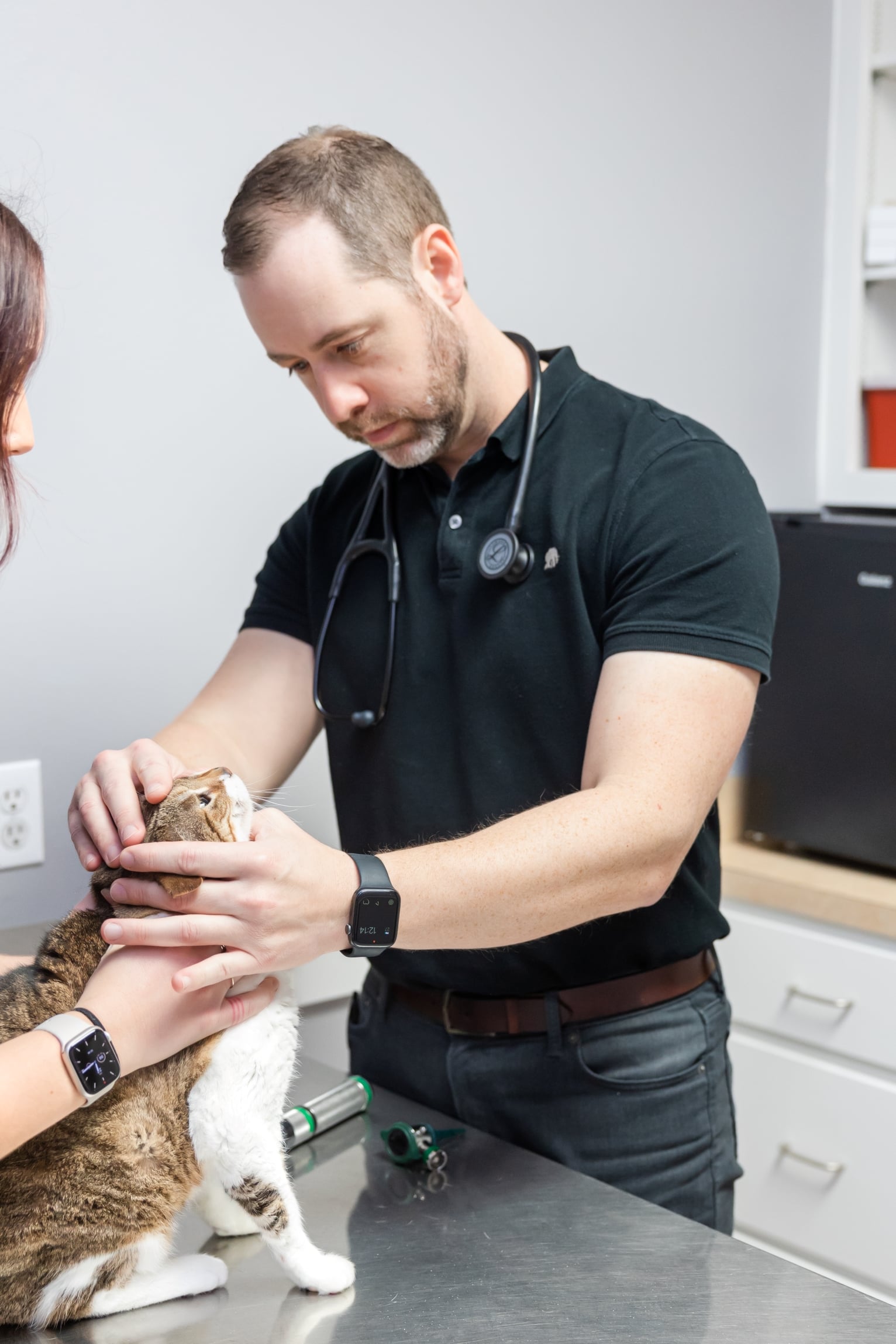
Common reactions are generally mild and short-lived, such as soreness at the injection site, slight drowsiness, or a brief fever. Severe reactions are uncommon but possible. If a pet experiences vomiting, facial swelling, trouble breathing, or collapses after a vaccine, immediate veterinary care is essential. We brief clients on these possibilities and provide a clear action plan.
We also consider the bigger picture. Vaccination decisions may involve weighing the cumulative load of multiple vaccines against the risk of exposure to pathogens in a given environment. Our guidance consistently aims to balance protection with the individual animal’s tolerability, ensuring that the pet’s immune system is not overwhelmed by unnecessary injections.
Practical tips for pet owners
- Keep records up to date: Save vaccine certificates, dates, and any notes about reactions. Electronic records help both families and veterinary teams stay aligned.
- Plan ahead for travel or activities: If you’re planning to board, travel, or attend daycare, confirm the vaccination status well in advance to prevent last-minute stress.
- Observe and document post-vaccination changes: A short diary of activity, appetite, and mood for 24 to 72 hours after vaccines helps us spot unusual patterns early.
- Discuss any chronic health issues: Pets with ongoing diseases or immune suppression require a tailored plan that may adjust vaccine timing or selection.
- Talk through costs and value: Vaccination is a preventive investment. We help families understand the long-term benefits in terms of health outcomes and avoided emergency care.
The Prairieville Animal Hospital difference
What sets our approach apart is the combination of evidence-based medicine and practical, human-centered care. We talk in plain terms about what each vaccine protects against, how it fits into your pet’s daily life, and what real-world consequences to watch for. Our team brings years of experience across clinics and hospital settings, translating complex veterinary science into a plan that owners can actually implement.
In the clinic, we also emphasize follow-through. A vaccination visit is not a one-off event but part of a durable relationship between you and your pet’s health team. We schedule reminders, review records at each wellness visit, and adjust plans as your pet ages or as new health concerns arise. This continuity matters when you’re trying to keep a senior dog comfortable, a working cat protected, or a puppy exposed to a bustling household.
Real-world considerations: accessibility and community health
Prairieville Animal Hospital has long prioritized accessibility. We know families juggle work, school, and caregiving responsibilities. Our scheduling options, after-hours intake when feasible, and clear explanations aim to reduce friction. Vaccination, while routine, is also an essential community health measure. When enough pets in a community are protected, the spread of contagious diseases declines, contributing to safer public spaces for people and animals alike.
From a practice perspective, the vaccination program is designed to be resilient. We build buffers into our schedule to accommodate urgent cases, weather-related delays, and occasional supply fluctuations. In recent years we have learned to adapt without compromising safety or efficacy. The result is a stable, predictable care pathway that pet owners can rely on.
A note on misconceptions and common questions
Vaccination is a topic that invites a lot of opinions and a fair amount of misinformation. In our experience, the most productive questions come down to two themes: timing and necessity. Timing concerns revolve around how soon to begin, how often boosters are needed, and whether certain vaccines can be combined to minimize discomfort. Necessity questions typically address whether a vaccine is essential given a pet’s indoor life or low exposure environment. Our answer is nuanced: while some animals live indoors and have minimal exposure, many interactions outside the home or in shared spaces with other pets create non-negligible risk. Our plan aims to reflect actual exposure likelihood, not abstract possibilities.
We also encounter concerns about age at first vaccination and the risk of adverse reactions. We respond with a clear, evidence-informed explanation of the risk-benefit balance. Most healthy pets tolerate vaccines well, and adverse events are rare and manageable. We encourage owners to share any history of reactions, allergies, or chronic illnesses, so we can adjust the plan accordingly. The goal is to build confidence and a sense of partnership around preventive care.
Practical takeaway for pet guardians
Vaccines are not a single milestone but a component of ongoing health maintenance. The right approach blends science with everyday life: a schedule that fits your calendar, a focus on comfort for your animal, and a plan that evolves with age and circumstance. Rabies vaccination is a legal and public health cornerstone, but it sits alongside a broader preventive strategy that includes core vaccines and select non-core vaccines when indicated by risk. At Prairieville Animal Hospital, we translate this framework into a veterinary experience that is predictable, compassionate, and grounded in real-world outcomes.
If you’re building a vaccination plan for your pet, bring any prior records, a rough outline of your pet’s daily life, and any questions about risks or costs. We’ll walk through the options, explain the rationale behind each choice, and set a schedule you can rely on. This collaborative approach helps ensure your pet remains vibrant, protected, and ready to engage with the people and places they love.
— End note —
For families in Prairieville and surrounding communities, vaccination decisions are usually straightforward, but they become much more meaningful when you understand the why behind each choice. Rabies protection is non-negotiable for public health, yet the day-to-day work of keeping a pet healthy requires deliberate planning, careful observation, and a willingness to adapt. Prairieville Animal Hospital aims to be your partner in that journey, offering clear guidance, steady hands, and a practical, humane approach to preventive care.