Senior Pet Care Tips from Prairieville Animal Hospital
Aging pets arrive with their own rhythms. They settle into a slower pace, but the heart and habits we’ve come to rely on remain, in many ways, at the core of their health. Over more than a decade spent guiding families through the wrinkles and wonder of senior pet care, I’ve learned that small, consistent adjustments make the biggest difference. This isn’t about chasing perfect health indicators as much as about maintaining quality of life—comfort, appetite, mobility, and the dignity that comes with being part of a household you’ve loved for years.
Understanding aging in pets is not a single event. It unfolds gradually, with its own milestones and subtle shifts. Dogs and cats do not age at the same rate, and within species there are wide variations depending on breed, body condition, and preexisting conditions. A senior tail wag or a soft purr can be as meaningful as a vet appointment note. The aim is to partner with you to anticipate changes, respond with practical care, and keep your companion as at ease as possible, day by day.
The most meaningful work in senior pet care happens at home. A well-tuned routine reduces stress for the animal and anxiety for the owner. It also creates a stable platform for medical interventions when they’re needed. Think of your home as a steadying anchor: predictable feeding times, a comfortable resting zone, and accessible opportunities to move and explore without pushing past discomfort. The team at Prairieville Animal Hospital has found that when families lean into gentle, proactive care, senior pets stay engaged with life longer and experience fewer crisis moments.
A note on the local context. Prairieville residents often entrust their aging companions to a clinic that understands the practical realities of living with the southeast Louisiana climate and daily schedules. The goal is to blend preventive care with fair, transparent decision making. If your senior pet requires boarding for a family trip, you can consider options like pet boarding prairievilleanimalhospital.com. That kind of service is not just a lapse in care while you’re away; it can be an extension of a consistent routine during an otherwise disruptive period.
What follows is a grounded, no-nonsense guide built from routine clinical experience and conversations with families who’ve walked this path. It blends straightforward medical reminders with humane, real-world tips that you can put into practice this week.
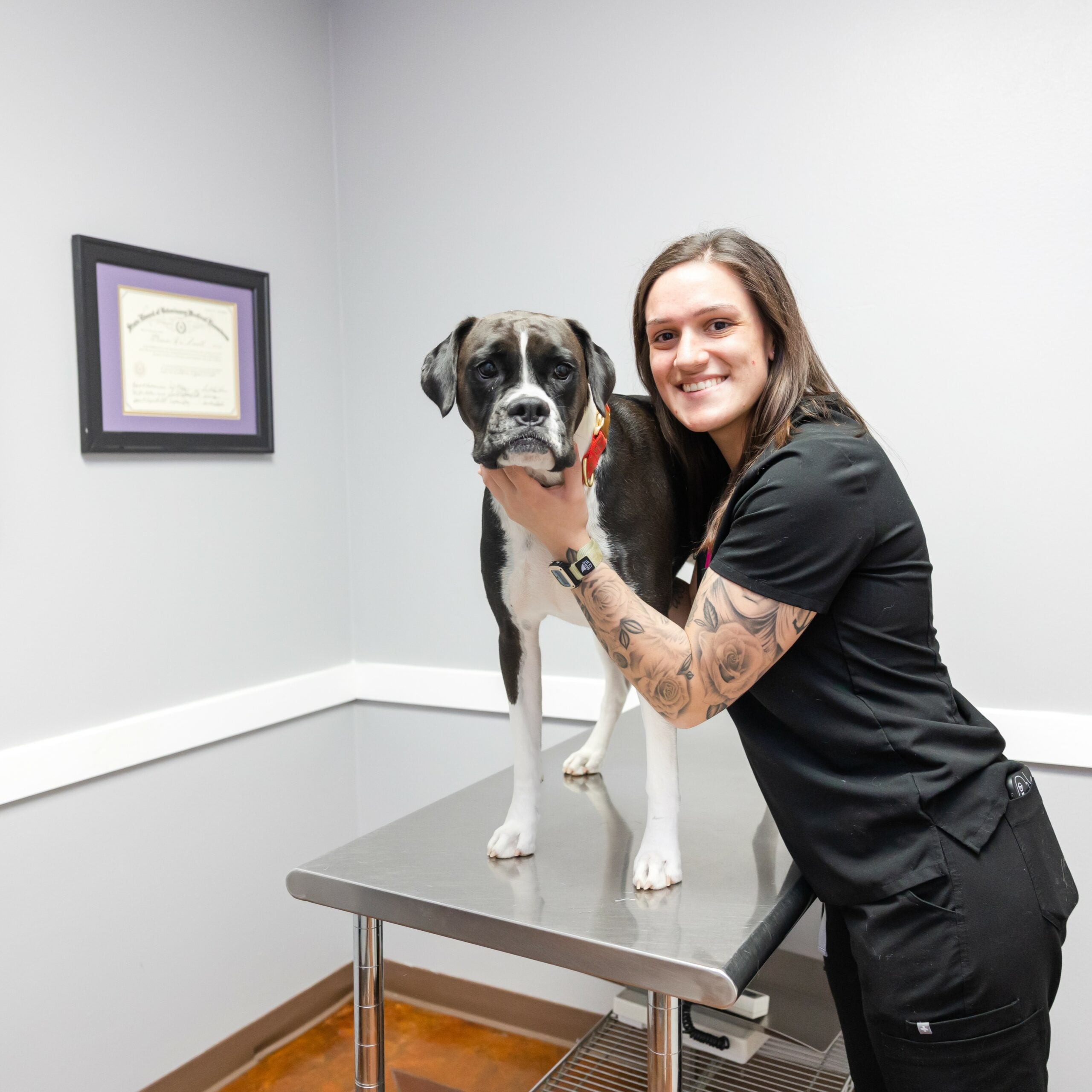
Understanding the aging process in pets
Aging in companion animals is a mosaic rather than a single trend. Some pets show early changes in energy or reaction time, while others glide through senior years with little obvious difference in daily behavior. The most reliable signals are changes in appetite or thirst, activity level, sleep patterns, coat quality, and bathroom habits. A noticeable shift in any one of these areas warrants a closer look, especially when several changes appear together.
The body compensates in surprising ways. A dog might seem to slow not only because joints ache but because cartilage wear alters gait, or because kidney function begins a gradual decline. A cat might appear content while subtly dropping weight, a sign of underlying disease that benefits from early detection. The key is consistency: monitoring the pet’s baseline and flagging anything that deviates, even modestly, from it.
Healthy aging is aided by practical steps. Weight management remains central. Excess weight accelerates joint wear and can mask other problems, while too little weight can indicate illness or dental pain. Regular dental checks matter more than most owners expect, since mouth health influences nutrition, comfort, and overall well-being. Mobility support becomes increasingly important, as stiffness and arthritis progress slowly, sometimes quietly.
A family routine becomes a medical ally. By integrating daily observation with periodic veterinary exams, you create a continuous feedback loop. The best clinics, including Prairieville Animal Hospital, encourage owners to bring questions and to track a few specific daily metrics: appetite, water intake, litter or potty patterns, sleep behavior, and any new sounds or limps during movement. When you approach aging with curiosity rather than alarm, you empower yourself to respond with targeted care rather than reactive treatment.
Preventive care essentials for seniors
Preventive care is not about turning back time; it’s about preserving function and comfort for as long as possible. A well-structured plan anticipates common age-related issues and creates safe, predictable pathways for treatment when needed. The practical core of preventive care includes regular wellness visits, tailored vaccination strategies when appropriate, dental health, nutrition, and mobility support. You’ll find that each pillar reinforces the others: good dental health supports appetite and overall well-being, while a stable weight reduces stress on joints and organs.
Consistency matters more than intensity. A routine that’s easy to maintain yields better long-term results than a bumpy, aggressive schedule that your pet resents. The aim is to create a predictable rhythm that fits your family life and your pet’s comfort level. In our experience, clients who adopt a simple, honest routine that they can keep for years tend to see the most positive outcomes.
Here are practical, stable steps you can embrace now:
- Schedule regular wellness exams every six months for most senior pets. If your vet flags certain risks, more frequent visits may be recommended.
- Track weight and body condition. A modest daily inspection plus a monthly weigh-in can reveal early shifts before they become obvious.
- Maintain dental health with professional cleanings when indicated and at-home dental care routines. Mouth health is often overlooked but it changes how a pet eats, breathes, and feels.
- Align nutrition with life stage and activity. Senior pets often benefit from diets formulated for aging bodies with moderate calories, balanced protein, and appropriate minerals.
- Prioritize comfort through joint-support strategies. Supplements, regulated exercise, and a sleeping environment guarded against drafts and hard surfaces can ease stiffness.
Diet and exercise for aging pets
Diet changes may be necessary as pets age. Metabolic rate shifts, muscle mass declines, and organ systems adjust to new demands. You don’t need to turn the kitchen into a laboratory, but you do want to tune meals to ongoing needs. In practice, the most successful seniors have meals that are consistent in timing, moderate in calories, and nutrient-dense. It helps to involve your veterinarian in choosing a kibble or canned option that suits your pet’s weight, dental status, and any disease processes such as kidney or liver concerns.
Exercise remains essential, even when joints protest. Gentle, regular activity preserves mobility, mental sharpness, and appetite. Short, frequent sessions can beat long, sporadic workouts that tire a pet without delivering real benefit. Think of it as a small, daily ritual: a short walk, a slow meander through the yard, a gentle play session near soft surfaces, and a familiar crawl into a warm resting spot afterward. For cats, enrichment and movement can be achieved through interactive toys, climbing structures, and supervised outdoor time if safe.
In practice, this looks like a routine you can sustain:
- A morning 10- to 15-minute walk for dogs, or a gentle indoor play period if the weather is harsh.
- Lightweight resistance work a couple of times per week to preserve muscle mass, paired with careful observation for joint pain.
- Dental-friendly feeding strategies, such as kibble texture variations or dental treats, used in tandem with brushing when feasible.
- Accessible resting areas on low surfaces to reduce strain from climbing onto couches or chairs.
- Environmental enrichment that keeps a senior pet mentally engaged without overstimulation.
Dental care and pain management
Oral health is a backbone of senior pet well-being. Dental disease is insidious, often masked by a quiet demeanor even as teeth and gums suffer. The downstream effects can be uncomfortable eating, reduced appetite, and systemic inflammation that touches other organs. Regular dental cleanings and home dental routines shine a light on a problem early enough to address with less aggressive treatment.
What makes dental care practical is simplicity. A routine that includes brushing is far more feasible than it sounds, particularly when started early and reinforced with positive experiences. For many owners, a once-daily routine paired with a weekly reinforcement session is enough to keep gums healthy and breath tolerable for years. If brushing feels overwhelming, your veterinarian can suggest alternatives like enzymatic toothpaste and dental treats that support oral cleanliness without relying solely on brushing.
A common pitfall is assuming that good appetite equates to dental health. Pets can chew around sore areas, eat enough to maintain weight, and still suffer from dental pain that you cannot see without a careful exam. Regular dental assessments during veterinary visits help you catch issues that might otherwise be missed.
Mobility and comfort at home
Joint stiffness and age-related pain alter a pet’s daily rhythm. The trick is to create a living space that minimizes discomfort and encourages gentle movement. Consider flooring textures, bedding, and seating arrangements that reduce slipping and strain. Orthopedic beds, low-entry crates, and non-slip rugs near feeding and sleeping zones can make a noticeable difference.
If your senior pet experiences arthritis or hip issues, discuss pain relief options with your veterinarian. There are safe, effective medications and therapies for older animals when used judiciously. In many households, combining medication with physical therapies such as massage, low-impact range-of-motion exercises, and targeted physiotherapy yields meaningful relief. The goal is to preserve function while avoiding the risk of overexertion.
A practical approach includes:
- An assessment of home surfaces to identify slick areas and address them with rugs or runners.
- Accessible food and water stations placed at a comfortable height to reduce bending or reaching.
- A consistent sleep nook that stays warm, quiet, and away from drafts.
- Controlled, low-intensity movement that avoids high-impact activities on hard surfaces.
- Consideration of assistive devices, such as a harness for stairs or a cart or sling for instability.
Vet visits and monitoring for seniors
Senior pets benefit from a bit more medical cadence than their younger counterparts. This doesn’t have to be overwhelming. It means staying in close communication with your veterinary team, noting changes in behavior, appetite, thirst, urination, and energy. The most productive visits come with a concise history: when the changes began, what you observed, how long they’ve persisted, and any prior treatments that seemed to help or worsen the issue.
Ask your veterinarian about a tailored monitoring plan. It might include baseline blood work, urinalysis, and specific tests designed to catch early signs of organ stress or metabolic changes. The objective is early detection, when interventions tend to be simpler and more effective. For many families, the value of a semiannual checkup is measured not by the number of needles drawn but by the peace of mind that comes with clarity.
The role of preventive care is not passive. It requires you to be a vigilant, engaged caregiver who tracks small changes and shares them with the veterinary team. Even if your pet seems comfortable, a routine lab screen or a targeted imaging test can reveal conditions that might otherwise go unnoticed until they advance. Prairieville Animal Hospital emphasizes an approach that respects the realities of aging while offering clear options when problems appear.
Caring conversations and decision making at the clinic
The best encounters with us tend to be collaborative. We value conversations that begin with your goals for your pet. Some families want to maximize remaining years with as little discomfort as possible, others seek a balanced blend of activity and rest. The right plan is the one you can sustain, with regular reviews that adapt to changing circumstances.
A veteran’s perspective on these decisions is to meet the pet where they are. It’s about reading the animal’s signals. If your dog shows reluctance to move after a walk, or your cat stops eating but drinks water, these are not moments to panic but signals to reassess. You’ll often find that adjusting the environment and routines can resolve many issues without resorting to medication.
If you need a place to start with scheduling or planning, Prairieville Animal Hospital offers consistent guidance. A visit can illuminate whether a diet change, a pain management plan, or Prairieville Animal a mobility aid is warranted. For families traveling or needing a short-term care solution, pet boarding prairievilleanimalhospital.com can be a practical option that maintains continuity in daily routines during transitions.
Practical at-home care tips for seniors
Caring for an aging pet does not require a clinic-level regimen at home, but it does demand thoughtful routines. You’ll benefit from clarity and repeatable patterns whenever possible. It’s not about endless rules; it’s about creating a living environment that respects a pet’s pace while preserving their dignity. The following ideas come from daily practice in a busy veterinary setting and from watching many families adjust to life with seniors.
- Keep a simple schedule. Regular meal times, predictable potty breaks, and a familiar bed location create a sense of security that reduces stress during medical testing or treatment.
- Adapt the space gradually. When joints stiffen, small changes have outsized effects. Raise a water bowl to a comfortable height, place a rug on slick floors, and provide easy access to resting spots.
- Invest in a quality bed. A memory-foam or orthopedic bed at floor level can prevent cold, dry bones from waking a pet during the night.
- Use a consistent cue system. A familiar call or signal for feeding or medications reduces confusion and helps your pet anticipate what comes next.
- Keep dental care simple yet regular. Brush when you brush your own teeth, and integrate dental treats that reinforce positive behavior without turning tooth care into a daily battle.
Two practical lists you can keep on the fridge
-
Senior pet care tips that you can implement this week: 1) Schedule a wellness check and have your vet discuss a senior-specific plan. 2) Weigh your pet weekly and record the number in a notebook to share at the next visit. 3) Choose one dental-friendly routine: brushing, a dental treat, or a rinse approved by your vet. 4) Introduce a low-impact activity, such as a 10-minute daily walk or a gentle play session in the living room. 5) Inspect bedding and flooring for comfort and make small adjustments to reduce slips and strain.
-
Conversation starters for your next veterinary visit: 1) What are the top five age-related concerns you see in my pet’s breed? 2) Is there a monitoring plan or blood work schedule you recommend for the next 6 to 12 months? 3) Are there dietary changes that could improve energy or organ function without compromising appetite? 4) What pain management options are appropriate for my pet, and what signs should trigger a change in therapy? 5) Should we consider mobility aids or environmental modifications to support comfort?
A final note on optimism and realism
Senior pet care is not a perfect science. There are days when you will feel the effort is heavy, and that is natural. The aim is not to eradicate aging but to shape a narrative where your companion remains engaged, comfortable, and loved. The most meaningful indicators of success are your pet’s willingness to greet you at the door, their curiosity about a new scent on a walk, and the gentle weight of a head against your hand when they settle for a moment of quiet companionship.
Prairieville Animal Hospital has earned trust from many families by balancing compassionate, practical care with a clear, honest approach to medical decisions. If you are seeking a nearby animal clinic near me that understands the realities of senior pet care, you can rely on a clinic that treats you as a partner rather than a series of appointments. Whether you need preventive pet care guidance, ongoing monitoring, or a plan that integrates dentistry, nutrition, and mobility, the path forward remains a collaborative one.

A note about community and continuity. The bond you share with your senior pet is reinforced by consistent care and presence. When schedules shift or travel becomes part of life, reliable options like pet boarding prairievilleanimalhospital.com can help keep routines intact. The comfort you offer your pet at home translates into the confidence they feel when they step through clinic doors or into a comfortable boarding environment that respects their needs.

In the end, senior pet care is a conversation with your veterinarian that stretches over years, not minutes. It’s a steady exchange of small decisions that, together, form a larger story about longevity, comfort, and the everyday joy that comes from sharing a life with a loyal companion. The team at Prairieville Animal Hospital looks forward to walking that path with you, with a practical mindset, a steady sense of humor, and a shared commitment to your pet’s best possible life.