Prairieville Animal Hospital: Why Regular Vet Visits Matter for Cats
Cats live in a world of small, subtle changes. Their bodies speak in quiet shifts rather than loud alarms, which means regular veterinary visits are less about dramatic emergencies and more about catching things early, keeping weight steady, and maintaining a quality life through the adult years. At Prairieville Animal Hospital, the goal isn’t simply to treat sickness after it arises. It’s to create a consistent rhythm of care that keeps cats comfortable, curious, and capable of the everyday moments that define a long, well-lived life.
Over the years I have spent in clinics across the region, the most meaningful observations come from those small, persistent patterns. A cat that comes in yearly for a checkup often reveals a health story that would have otherwise remained hidden until it demanded attention. The difference is not always dramatic; sometimes it’s simply catching a hairline dental issue before it causes pain or catching early kidney changes that would, without intervention, accelerate with age. The value of regular visits isn’t a single breakthrough moment. It’s a sequence of small, informed decisions that keeps a cat out of pain, out of crisis, and in balance with the life they lead.
Healthy cats don’t always act sick. They lounge in the sun, knead a favorite blanket, and purr at the sight of a familiar mug. A routine veterinary visit acknowledges that reality while applying a calibrated lens to micro changes. The art here is listening—between the purrs and the quiet sighs, between the weight that’s creeping up or down and the subtle rigidity in a joint that wasn’t there last year. The veterinary team at Prairieville Animal Hospital understands that. They treat cats with a steady hand, careful questions, and a plan that fits the patient, not a template.
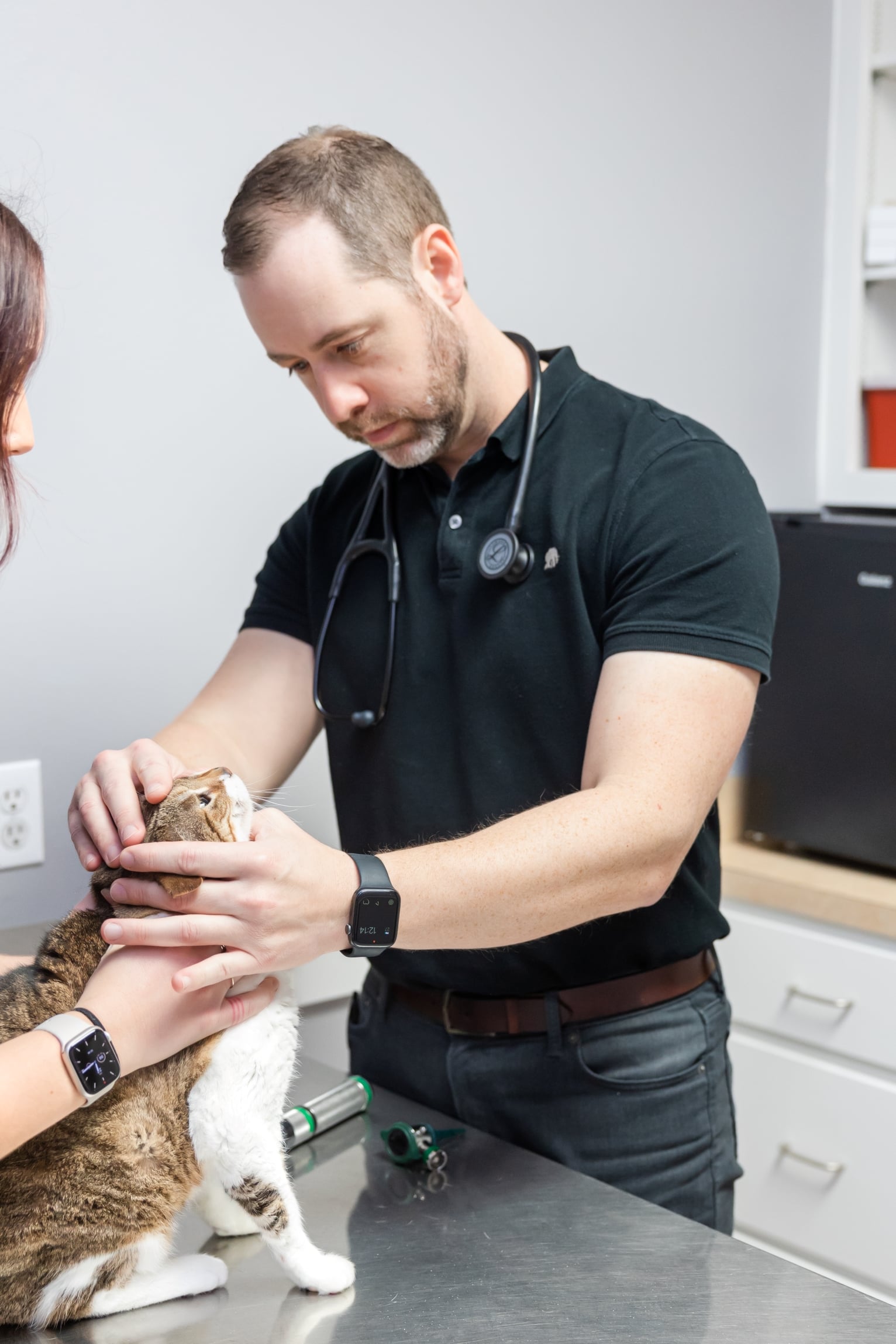
Why invest in regular visits? Because prevention is practical, and pets reward practical care with years that feel more like the days you want to share with them. A regular itinerary builds a data trail you can trace when a new concern appears. It gives your veterinarian enough context to differentiate between a passing symptom and a meaningful change. It also normalizes wellness as a habit rather than a reaction to an incident. That cultural shift matters because it changes the way you and your cat approach everyday life.
The anatomy of a routine visit is straightforward in theory, but the impact can be wide. A well-managed checkup blends physical examination with behavioral observations, an updated vaccination strategy, and a proactive approach to nutrition and dental health. You might walk out with a few concrete actions—weight goals, a dental care plan, or a recommendation to adjust a food regimen. The essential point is that the visit is a touchpoint, a moment of informed attention you can build on. It’s not a one-and-done event; it’s a regular investment, a series of small, deliberate steps designed to preserve what makes your cat uniquely themselves.
The practical value of regular visits extends beyond the clinic walls. It informs how you monitor your cat at home, how you interpret changes in behavior or appetite, and how you coordinate with the veterinary team when life inevitably throws a curveball. The rhythm is purposeful, not punitive. It respects a cat’s pace and meets them where they are in life, whether that means a senior cat who values a calm, predictable day or a kitten who thrives on socialization and structured play.
A pragmatic approach to scheduling is a cornerstone of care at Prairieville Animal Hospital. Family routines, travel calendars, and the natural ebbs and flows of a cat’s health all influence how often you should come in. The answer isn’t a one-size-fits-all schedule but a tailored plan that considers age, lifestyle, medical history, and the unique biology of your cat. That nuanced approach is what turns a routine annual checkup into a durable framework for wellness rather than a single event with limited relevance.
What follows is a closer look at how regular visits function in practice, why they matter at every stage of a cat’s life, and how to collaborate with the Prairieville team to maximize the value of each encounter. You will find practical guidance, anchored in real-world experience, about preventive care, the subtle signals that accompany aging, and the sometimes surprising ways daily routines intersect with medical care.
A look at the why behind regular visits
The body of a cat changes quietly, especially as the years accumulate. A regular checkup serves as a periodic audit of system function, from the heart and lungs to the liver and kidneys. Blood tests give a window into internal processes that aren’t visible on the outside. A physical exam catches soft signs—slowing reflexes, a stiff gait, or changes in grooming—that could point to musculoskeletal or endocrine issues. Vaccinations—while sometimes routine—are not merely a box to check. They are a targeted, age-appropriate shield that evolves with the cat’s exposure risk, travel plans, and overall health.
Dental health sits high on the list of priorities in many cats, yet it often gets overlooked. Dental disease progresses slowly but relentlessly, with ripple effects that extend to heart and kidney health. During a routine visit, the veterinary team can assess tooth wear, gum health, and the need for professional cleaning or dietary adjustments. Even small improvements here—adding a brushing routine, selecting a dental diet, or using enzymatic toothpaste—can stave off discomfort and bacteremia over years.
Behavioral observation is another underappreciated benefit. Cats don’t volunteer their symptoms in plain language. A reduced activity level, subtle changes in litter box habits, or a shift in appetite may signal something serious brewing inside. When a veterinarian observes these patterns alongside the cat’s physical status, the path forward becomes clearer. The result is treatment or management strategies that feel practical and humane because they are built on a detailed understanding of the cat’s daily life.
Preventive care is not a single intervention but a continuum. Vaccination status, parasite control, dental maintenance, and nutritional counseling form an integrated framework. Each pillar supports the others. For example, a change in weight can trigger a revision of the diet plan, which in turn can affect energy levels and overall vitality. Regular visits enable this dynamic balancing act to stay current with a cat’s evolving needs.
A practical reality in smaller towns or rural settings is access to care and the continuity of care. Prairieville Animal Hospital has built its practice around reliability and trust. The team emphasizes appointment availability, clear communication, and a calm, non-threatening atmosphere for cats. The balance between medical thoroughness and a gentle approach matters, especially for shy or senior cats who might otherwise dread the clinic experience. The goal is to make every visit predictable in a good way, so the cat and the owner both feel confident moving forward.
What a routine visit actually looks like
A typical wellness visit starts with a focused history. The cat’s daily routines, appetite, energy levels, litter box usage, and any recent behavioral changes are discussed. The veterinarian then conducts a hands-on physical examination, assessing each system in a cat-friendly sequence that respects comfort and stress levels. A gentle approach often means short sessions, with breaks for purring or a gentle restraint technique that reduces anxiety while allowing a thorough check.
Laboratory work may be recommended based on age and risk factors. A senior cat or a cat with a chronic condition might undergo bloodwork to assess kidney function, liver enzymes, and thyroid status. A urine test could be advised to screen for urinary tract issues, especially in cats with changes in urination patterns or household stress. The results become part of a broader health narrative, guiding decisions about vaccines, diet, and medications if needed.
Vaccines are tailored to the individual. Core vaccines, such as those protecting against common infectious diseases, are balanced against risk factors like travel, exposure to other animals, and the cat’s overall health. The veterinary team will explain why a particular vaccine is recommended at a given visit, what potential side effects may occur, and how to monitor for adverse reactions at home. The aim is to protect without overwhelming the cat with unnecessary interventions.
Dental assessment is now almost a standard component of wellness checks. The doctor may note tartar buildup, gum inflammation, or tooth wear, and discuss options ranging from home care strategies to professional cleaning. If a problem is detected, a plan is crafted that prioritizes the least invasive route first, escalating only as needed. The long view is that good dental health reduces pain, improves appetite, and supports systemic health over time.
Nutrition guidance often accompanies a well visit, particularly for cats with unusual weight trajectories or sensitive digestive systems. A clinician can translate general nutrition guidelines into something precise for the individual cat. That might involve adjusting portion sizes, selecting a different protein source, or recommending a litter box setup that reduces stress. The specifics matter because small changes at the right moment can prevent weight-related issues or digestive upset from becoming chronic.
The home care plan is the final piece of the visit. The team will outline steps owners can take between visits to support ongoing health. This may involve a schedule for dental care routines, a plan for weight management, or a simple monitoring routine for early signs of ill health. Clear, practical instructions help maintain momentum between appointments and ensure that veterinary advice translates into real daily habits.
Two lists that can structure your approach without clutter
-
Preventive care essentials you should track for your cat:
-
Age-appropriate vaccines and reminders for re-vaccination
-
Weight and body condition score updates at every visit
-
Dental health checks and a plan for brushing or professional cleaning
-
Parasite prevention with an evidence-based schedule
-
Updated dietary guidance aligned with activity level and health status

-
What to bring and have ready for a visit:
-
A current list of medications, including supplements and dosing
-
Any recent blood work or urine test results from other clinics, if applicable
-
Notes on changes in appetite, water intake, or litter box patterns
-
Your questions and concerns written down in a short, prioritized list
-
A calm, familiar carrier and a favorite blanket or toy to reduce stress
These small, concrete steps make the visit efficient and productive, and they help the veterinarian build a continuous care narrative rather than a one-off snapshot.
The aging cat and shifting risk profiles
Age changes everything, but they do not spell an automatic decline. In many cats, aging is a gradual rebalancing of systems rather than a dramatic failure of function. Regular visits illuminate where that balance is held and where it’s beginning to shift. Kidney function, for instance, tends to decline slowly with age in a manner visible only through bloodwork and urine testing. A veterinarian who sees your cat annually may notice subtle trends in creatinine or blood urea nitrogen that point toward early-stage chronic kidney disease. Acting on those findings early can slow animal hospital near me progression, adjust medications, and preserve quality of life.
Thyroid disease presents another illustrative case. Hyperthyroidism is relatively common in middle-aged to senior cats and can mimic or mask other health issues. A routine check can screen for thyroid hormone levels, enabling treatment that reduces weight loss, muscle wasting, and heart strain. Then there is arthritis, a frequent but often overlooked player in a cat’s mobility and happiness. A clinical exam may reveal reduced range of motion or joint tenderness that owners attribute to mood or fatigue. Early management—weight control, joint supplements, or medications—can restore comfort and a willingness to participate in daily activities.
The dental link cannot be overstated. A cat may appear merely grumpy when a tooth hurts, but the consequences run deeper. Pain can lead to reduced appetite, weight loss, and social withdrawal. The gut and liver respond to dietary changes triggered by dental pain, and systemic inflammation can emerge from chronic dental disease. A perceptive veterinarian will consider dental status as part of the broader health picture, not as a separate, isolated issue. That integrated approach is what makes regular visits meaningful.
When regular visits become a habit, the home routine shifts with it
Owners often report that establishing a predictable schedule for veterinary care changes how they engage with their cat every day. They start noticing subtle cues that previously went unnoticed: slight reluctance to jump, a change in pooping or peeing locations, or a new preference for resting in cooler spots. These observations, when shared with the veterinarian, contribute to a more accurate, nuanced health profile for the cat.
Home care aligns with clinical findings. If a veterinarian identifies a tendency toward dental disease, you may incorporate brushing into morning rituals, progress to dental chews, and adjust dry versus wet food to reduce plaque formation. If a weight issue arises, the plan might include a measured diet, structured play to boost activity, and periodic weight checks. The ultimate aim is a set of habits that keep health within a favorable range for as long as possible, turning what could be a creeping decline into a steady, manageable trajectory.
A note on accessibility and continuity of care
The reality of veterinary care is that access and consistency can be uneven. A well-run clinic makes regular care feasible, not an aspirational ideal. Prairieville Animal Hospital’s approach to accessibility includes reasonable appointment windows, clear guidance on what constitutes an urgent visit, and a staff trained to handle anxious cats with patience and calm. Continuity of care matters too. Seeing the same veterinarian or a familiar team member who understands your cat’s history builds trust and accelerates problem-solving when new concerns arise.
When you need to press the pause button on regular visits due to life circumstances, you should know how to reenter care smoothly. If a long gap exists, start with a flexible re-entry plan that updates you on any new vaccines, recheck tests, or alterations in recommended preventive measures. The clinic can help you reestablish a steady cadence so that your cat does not lose the health protection built up through years of care.
Common concerns owners bring to the regular visit
Owners frequently ask whether routine visits are worth the time and cost, especially for indoor cats with low exposure to illness. The answer lies in the rule of thumb that prevention costs less than treatment and that early detection often translates to simpler, faster, and less expensive interventions. Another frequent topic is anesthesia and dental work. Modern veterinary dentistry uses refined anesthetic protocols and careful monitoring to minimize risk while maximizing outcomes. A well-structured plan can make a dental cleaning a routine, low-stress procedure that yields durable benefits.
Some households worry about the stress of trips to the clinic. The Prairieville team emphasizes minimizing fear through gentle handling, pheromone aids, and quick, calm sessions. For many cats, the best practice may be a multi-visit plan that reduces stress by spreading examinations over several short appointments rather than one prolonged one. The result is a healthier cat and a less anxious owner who feels confident in the ongoing care plan.
Putting it into practice: a sample yearly rhythm
Here is a practical blueprint that owners can adapt to fit their cat’s age and health: early kitten years focus on vaccination, behavior acclimation to the clinic, and nutrition guidance that supports healthy growth. The adult years balance vaccines with weight management, dental health, and routine lab screenings as age increases. Senior cats transition to a more frequent schedule—perhaps every six months—with a stronger emphasis on kidney function, thyroid status, and pain management.
The exact cadence is a shared decision. Your veterinarian can tailor the schedule to your cat’s risk profile, lifestyle, and any preexisting conditions. The key is consistency. A predictable, well-communicated plan reduces uncertainty for you and stress for your cat, turning veterinary visits into a trusted pillar of daily life rather than a sporadic interruption.
A closing note on the value of a trusted partnership
The heart of regular veterinary visits is not just the medical protocols but the relationship that grows between owner, cat, and clinic. This partnership thrives when the clinic takes time to explain, listen, and co-create the health journey. Even the most routine checkup can become meaningful when there’s a clear rationale behind each recommendation, a sense of ownership in the care plan, and a shared goal of keeping the cat healthy, comfortable, and engaged with the world around them.
At Prairieville Animal Hospital, the emphasis is on practical, compassionate care. The team works with families to translate clinical findings into daily habits that fit real life. Whether it is a stubborn tooth issue resolved with a plan that respects your cat’s temperament, or a new weight management strategy that keeps a senior cat mobile and bright-eyed, the outcome is a cat who remains a central, cherished part of the household.
If you are new to Prairieville Animal Hospital or seeking a partner for ongoing feline wellness, consider what a regular visit offers beyond the routine. It is a framework for dependable health, a set of conversations that clarify options, and a path for navigating the inevitable changes that come with age. The goal remains straightforward: to help cats live their life with dignity, curiosity, and a sense of household belonging that makes every day feel a little easier to share.
In the end, regular vet visits for cats are not about fear or obligation. They are about stewardship. The steward’s task is to recognize a cat as a companion whose life deserves proactive attention, steady guidance, and a medical team that approaches care with both expertise and empathy. Prairieville Animal Hospital embodies that approach day after day, visit after visit, building a health map for your cat that grows more precise and more resilient with every year.