How to Choose the Right Veterinarian Near Me with Prairieville Animal Hospital
Choosing a veterinarian is less about chasing the cheapest price and more about finding a partner for your pet’s long-term health. The choice matters because the bond you build with a clinic shapes how quickly you spot problems, how calmly you respond to emergencies, and how effectively you manage daily care. In my years working with pet families and clinics in the region, I have learned that a strong match rests on trust, clarity, and practical accessibility. Prairieville Animal Hospital stands out for many families because the care philosophy emphasizes preventive care, clear communication, and a real sense of the community we serve. If you are weighing your options, here is a practical guide drawn from real experiences on deciding what makes a veterinary relationship truly work.
Community matters, and so does the clinic setup. A good veterinary relationship begins long before a crisis. It starts with a welcoming staff, easy appointment scheduling, and a facility that feels organized even during busy times. A clinic that runs like a well-oiled operation can relieve a surprising amount of daily stress. When you walk in with a nervous dog or a cat who hates car rides, a calm reception and a predictable flow through the lobby can make a big difference. Prairieville Animal Hospital has learned that families need predictable routines: short wait times on routine visits, clear explanations of what the exam covered, and a plan that lays out the next steps in plain language. That predictability, in turn, helps you keep your pet on track with preventive care without feeling overwhelmed or left in the dark.
A clinic’s approach to preventive care often reveals its longer-term philosophy. You want a partner who treats prevention as a living practice rather than a checkbox. That means vaccination schedules personal to your pet, age-appropriate screening, dental care that you can actually fit into busy weeks, and a plan for chronic conditions that respects both medical science and your household reality. At Prairieville Animal Hospital, preventive pet care is not a one-size-fits-all push. It is a collaborative plan that grows with your pet. The veterinarians listen for your concerns, adjust recommendations when your schedule changes, and explain the trade-offs of different options so you can make informed decisions. The effect is a steady rhythm of care rather than spurts of action followed by long quiet spells.
From a practical standpoint, the location and hours matter more than you might think. An animal clinic near me should fit into your daily life, not force you to rearrange your entire schedule every time you need a routine checkup. That means extended hours during the workweek, weekend slots when possible, and a triage system that prioritizes urgent needs without making routine concerns wait for weeks. It also means being able to reach someone by phone or secure messaging when a question pops up after hours. In the heat of a runny nose or a limping pup, easy access to a reliable resource can keep a minor issue from growing into a bigger problem. Prairieville Animal Hospital has built a workflow that respects the time families invest in their pets while preserving the veterinary team’s capacity to deliver thorough care.
The relationship between a clinic and its clients is not just about medicine; it is about communication. Clear, patient-centered explanations should accompany every visit. A good veterinarian will translate medical language into plain terms you can use to monitor your pet at home. They should also acknowledge your context. If you live on a farm, in a small apartment, or in a bustling household with multiple pets, your plan will look different, and that is perfectly fine. A clinic that takes the time to understand those realities demonstrates respect for your daily life and your animal’s comfort. That respect translates into better adherence to vaccination schedules, easier administration of medications, and fewer miscommunications when plans shift due to travel, weather, or illness.
The bond between you and your veterinarian is not abstract. It expresses itself in tiny, daily decisions as much as in big medical milestones. A focus on preventive care can help you avoid unnecessary emergencies, but when emergencies arise you want a clinic that is decisive, calm, and capable. In my experience, the clinics that withstand the test of time are the ones that keep you informed without overwhelming you. They share the why behind every recommendation, present you with options, and help you pick a path that aligns with your goals for your pet. That is ultimately what makes a veterinarian near me feel like a reliable partner rather than a distant expert.
If you are starting your search, there is a simple mental framework that can guide you through your first visits. First, assess the climate of the reception area. Is the staff knowledgeable and patient with questions, especially for first-time puppy or kitten owners? Second, observe the exam room dynamics. Do the veterinarians involve you in the diagnostic process, showing you test results, and taking time to explain what those results mean for day-to-day care? Third, evaluate the aftercare and follow-through. Are you given a written or digital plan that outlines vaccines, labs, or follow-up appointments? Are you able to schedule future visits in a reasonable timeframe? These little signals often reveal the true character of a clinic long before a major health decision becomes necessary.
In practical terms, your search should include a few concrete checks. Look for transparency on pricing, especially for routine services like vaccines, dental cleanings, and annual wellness packages. Ask about what is included in preventive packages and what might require additional tests or procedures. A good clinic will provide a breakdown of costs and help you compare like with like. You will also want to assess the clinic’s philosophy on pain management and anesthesia. If a procedure is planned, how do they minimize stress for the animal? What comfort measures are available during exams and minor procedures? The more you know about these details, the better you can weigh the trade-offs between convenience, price, and the quality of care.
One more practical point often overlooked is the clinic’s community involvement. A veterinarian who engages with local shelters, rescue groups, or school outreach often brings a broader perspective to their clinical practice. It signals commitment beyond the paycheck and can translate into more resources, educational opportunities, and support for pet families. Prairieville Animal Hospital has built connections with the community that extend care beyond the exam room, creating a network of awareness that helps you learn about preventive care and responsible pet ownership through real events and accessible information.

The choice of a veterinarian near me is also a personal decision. You want a clinic where you feel heard, where your questions are welcomed, and where your pet’s physical signposts are taken seriously. You want a team that recognizes the unpredictability of life with animals and responds with flexibility, warmth, and clarity. The right clinic doesn’t erase your concerns; it channels them into a collaborative plan. The right plan respects your budget while not compromising essential care. The right team shows up consistently, in good times and in challenging moments, offering guidance you can rely on when things get complicated.
What follows is a structure you can use to compare options without turning the process into a long, indecisive search. Start with a short window of observation. Visit two to three clinics within a reasonable radius, talk with the reception staff, and ask a few pointed questions about preventive care and after-hours access. Take notes about what feels easy and what feels forced. Then, when you have a handful of solid impressions, return to your pet’s daily realities. Which clinic’s schedule accommodates your work life, your driving constraints, and your pet’s temperament? Which team communicates in a way that makes you feel confident and informed? These questions are not about impressing a receptionist with a clever response; they are about building a sustainable partnership that you will rely on for years.
The information below can help you focus your conversations and identify the kind of relationship you want with a veterinarian near you. It is not a script to follow to the letter, but a compass to keep your eyes on what matters most: your pet’s health, your peace of mind, and a practical, workable plan that fits your life.
What to look for in a veterinary team
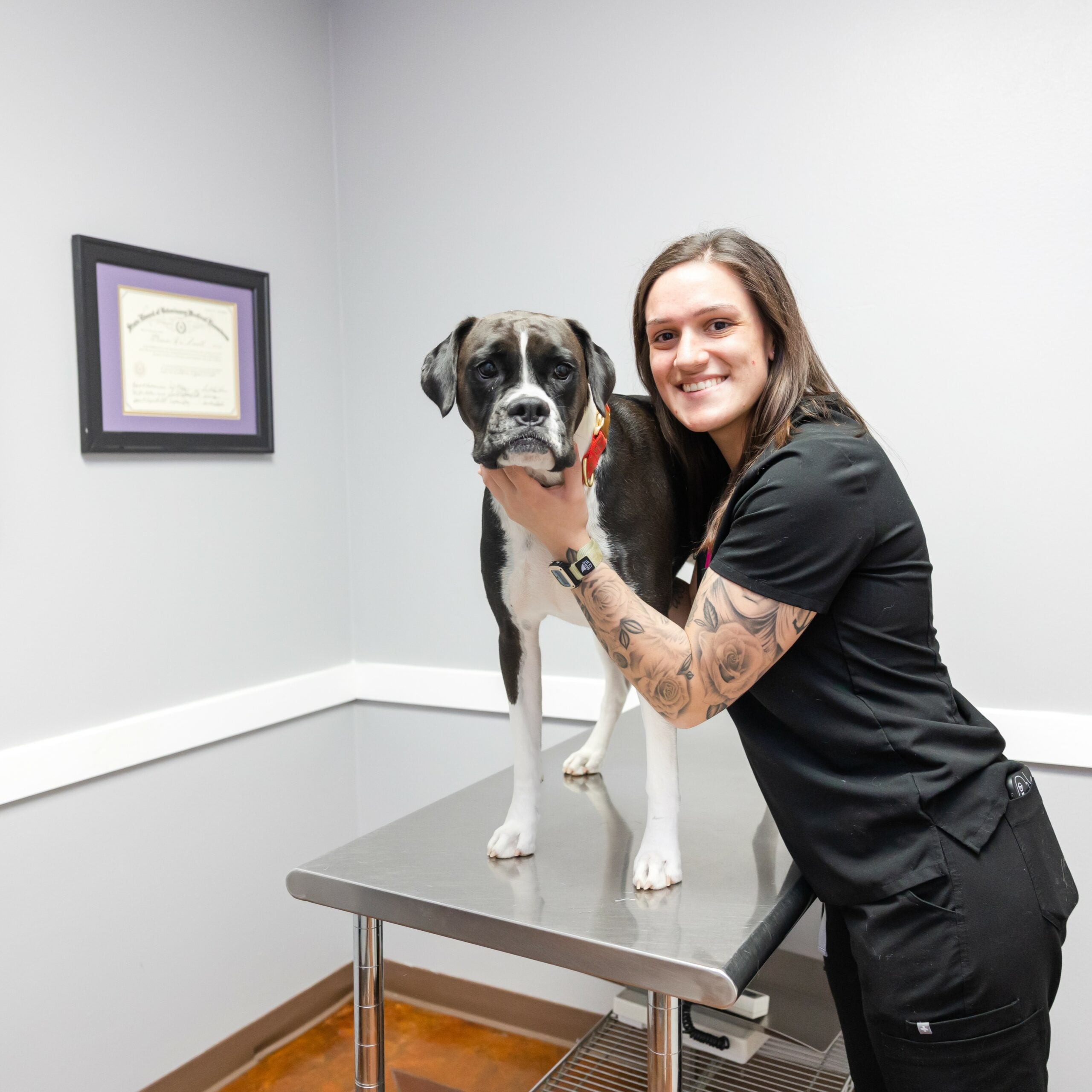
- Consistent message across staff on preventive care and treatment plans
- Clear pricing and a transparent approach to billing
- Availability for routine visits and reasonable after-hours guidance
- Respectful, patient communication that translates medical terms into everyday language
- Flexibility to tailor plans to your pet’s age, breed, and health history
This set of criteria helps you separate routine convenience from meaningful, long-term care. You will quickly notice the clinics that live by it versus those that merely say they do.
Two practical paths to decision clarity
- Compare a standard wellness package versus individual services for each pet
- Assess how the clinic handles new patient onboarding and pet acclimation
Each path can reveal how a clinic handles routine care, patient education, and the ability to adjust plans as life changes.
The role of services in daily life
A clinic that offers a solid suite of core services is a signal of maturity. Vaccinations, dental care, annual blood work, microchipping, and parasite control are the backbone of preventive care. Look for a structured vaccination schedule that aligns with your pet’s life stage and exposure risks. Ask how often dental cleanings are recommended and what anesthesia protocols they use, especially for anxious or senior pets. If your pet has ongoing needs, such as diabetes management or thyroid disease, you will want a clinic that can coordinate testing, dose adjustments, and nutrition counseling without shifting you between different offices.
Now consider specialty and diagnostic capabilities. The ability to perform in-clinic radiographs, ultrasound, and rapid lab testing can shorten the time between concern and clarity. Some clinics connect with external laboratories for more complex panels, but the more you can do under one roof, the smoother the experience for you and the pet. If your lifestyle includes travel or a remote work arrangement, telemedicine options for follow-up questions and post-visit check-ins can be invaluable. A practice that blends in-person and remote careoften achieves better adherence to care plans by removing friction.
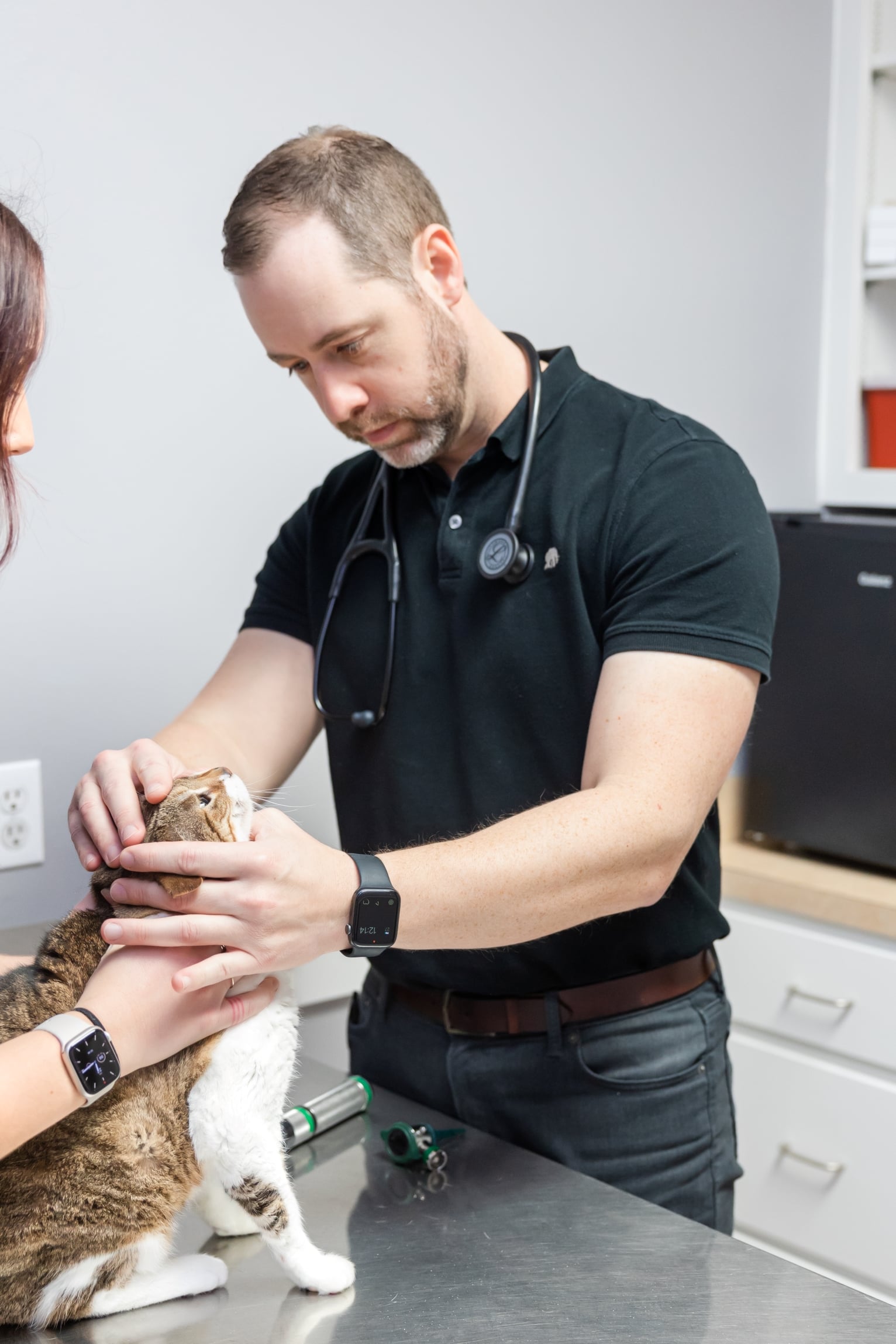
Pet boarding is another practical facet to consider if you travel. In my experience, boarding becomes a meaningful convenience when it is paired with veterinary oversight. You want comfortable kennels or suites, a structured feeding and exercise routine, and access to veterinary staff if a pet experiences stress or a minor illness during a stay. If you consider this option, verify what safeguards exist for contagious conditions, what the daily routine looks like, and how they handle medication administration during boarding. A well-run boarding program acts as a safety net rather than a temporary accommodation.
Senior pet care deserves deliberate attention. As pets age, they require a more careful blend of monitoring and comfort. A clinic with a clear senior pet program will explain the rationale behind routine blood work, renal function monitoring, and mobility support. They should offer guidance on arthritis management, dental care tailored to older mouths, and nutrition adjustments that reflect changing energy levels and dental health. The best practice is a proactive plan that anticipates typical aging trajectories rather than reacting only after problems arise.
Affordability is a real concern for many pet families, and a good clinic speaks to it without compromising care. This means upfront conversations about the cost of vaccines, dental cleanings, and routine labs, plus options for tiered care plans that fit different budgets. It also means a willingness to discuss alternatives when a recommended service is not essential for right now. The goal is not to chase the lowest price but to maximize value through clear communication, consistent quality, and predictable care routines. A clinic that locks you into surprise charges or frequently changes pricing is a red flag, even if the care is excellent in a single visit.
Choosing the right partner is a process, not a single event. It pays to spend a few weeks observing how a clinic operates, how the staff treat you and your pet, and how flexible they are with scheduling and plans. If you can, invite a trusted friend or neighbor to accompany you on a visit. A second perspective can help you discern how the team handles questions, how thorough the exam feels, and how transparent the clinic is about next steps. These small moments accumulate into a larger sense of reliability that you will lean on when something urgent arises.
A practical note on boarding and preventive care connectivity
When you consider boarding or multi-pet households, you want a continuum of care that keeps your pets aligned with their preventive measures. It is easier to maintain a routine when the clinic you choose already knows their medical history, current medication lists, and behavioral quirks. The most effective clinics integrate preventive care reminders with appointment scheduling so you can see a clear path across annual visits, dental cleanings, and aging concerns. You should never feel as if you are starting from scratch every time you call. A clinic that maintains a shared memory of your pet’s health journey reduces the friction that often comes with boarding kennels prairieville la care coordination.
In this light, Prairieville Animal Hospital excels at making preventive care a living habit rather than a calendar tick. The team emphasizes routine screenings aligned with age and risk factors. They explain the results in plain language and help you translate those findings into home care routines. The goal is not to overwhelm you with science but to empower you to act in small, meaningful ways that accumulate into long-term health benefits for your pet.
Two lists to help you compile your impressions
- What to ask during a first visit or tour
- What to compare when you visit multiple clinics
The first list keeps questions practical and concrete, the second helps you build a side-by-side feel for how clinics operate day to day. Use them as a guide rather than a script, and you will gather the essential signals without turning the process into a serialization of trivia.
The big picture is simple: you want a veterinarian near me who treats preventive care as a shared project, who communicates clearly and consistently, who makes the pet care journey feel manageable, and who stands with you through both routine days and unexpected moments. You want a partner who knows your pet’s name, understands your constraints, and helps you plan with both science and empathy in mind. When you find that balance, you will feel confident that the care your pet receives is thoughtful, steady, and aligned with your family’s life.
If Prairieville Animal Hospital is close to your home or work, you may already sense the potential for this kind of partnership. The clinic’s focus on preventive care, senior pet care, and accessible services speaks to a philosophy that many families find compelling: health care for pets should be proactive, practical, and personal. It is not about promising perfect outcomes but about creating a reliable routine that keeps pets thriving and families informed.
In the end, the best veterinarian near you is the one who feels like a natural extension of your home. The one who remembers your dog’s quirks, the cat who hates the carrier, and the schedule you juggle every week. The right clinic makes it easier to do the right thing for your pet, day after day, year after year. That is the essence of a true veterinary partnership, and it is a rare, enduring kind of care.
Two lists you can use now
- Top questions to ask a potential veterinarian
- Criteria to judge a clinic’s preventive care program
These short lists are designed to help you move from impression to decision with clarity. They are not a verdict on any single clinic but a scaffold for thoughtful comparison. If you take the time to explore each item with a careful eye, you will uncover the kind of care that makes a real difference for your companion.
In the end, the right veterinarian near me is the one you can picture standing with you on a rainy afternoon when your pet needs a little extra attention. It is the clinic that offers a helping hand without judgment when a budget question arises, and it is the place you would not hesitate to call at 2 a.m. Because your dog has suddenly started vomiting, or your cat has stopped using the litter box. It is the place that understands not just the pet, but the people who love that pet most. If Prairieville Animal Hospital feels like that, you may have found more than a clinic. You may have found a partner for the road ahead.